Exciting News! Mind's Journey & Nervana Medical Are Coming Together to provide even more services

Are depression, anxiety, PTSD, or chronic pain holding you back from living fully? Nervana Medical now offers a convenient, affordable, and transformative solution — our Ketamine Troche (Lozenge) Program, designed for individuals seeking lasting relief from treatment-resistant mental health conditions and chronic pain, without frequent clinic visits.
Our ketamine troches are sublingual (under the tongue) or buccal (between the gum and cheek) tablets that deliver therapeutic ketamine doses safely and effectively in the comfort of your home. This monthly membership program includes:
Note: The program includes your medical care and access to integration support; the cost of medication is separate and fulfilled through a compounding pharmacy.
You may be a good candidate if you are:
Not everyone is a candidate. People with active substance use, uncontrolled psychosis, or certain medical issues may not qualify. Our thorough evaluation process ensures your safety and readiness for at-home ketamine therapy.
Get started for $300 initially and $50/month thereafter- includes your consults, ongoing care, and exclusive access to integration tools through Voyage. Medication is prescribed separately and tailored to your needs.
“I finally feel like myself again. I never thought a lozenge could be so life-changing.” – Actual Patient
Comparison: Ketamine Troches (Lozenges) vs. IV (Intravenous) vs IM (Intramuscular) Treatment Options

The efficacy of ketamine treatment varies significantly depending on the route of administration, primarily due to differences in bioavailability and onset of action.
## Bioavailability Comparison
## Onset and Duration
## Treatment Effectiveness
## Administration Control
## Practical Considerations
In summary, IV ketamine generally provides the highest efficacy due to its complete bioavailability and rapid onset, followed by IM injections, while ketamine lozenges offer significantly lower bioavailability but greater convenience.
IV ketamine is generally more effective and faster-acting for TRD than ketamine troches, which may offer convenience and longer duration but with less robust efficacy. Troches are sometimes used as maintenance or booster therapy between IV sessions[2][5]. More research is needed to clarify the long-term effectiveness of troches compared to IV and IM routes.
Call Nervana Medical today or book online to schedule your Ketamine Troche Evaluation and take the first step toward reclaiming your mental wellness.

From our Medical Director: I want to make my stance very clear on the ketamine troches- I do NOT believe they are an alternative to in clinic injections or infusions- The studies that have demonstrated efficacy in treatment for TRD are in the setting of injections or infusions and done with a series of 6 within 2-3 weeks. Troches have less bioavailability and when done at home without having gone thru the ketaverse within a clinical setting to have a better understanding of what to expect and how to prepare is something I would say is less than ideal. In my clinical opinion, troches should be utilized as a more cost effective approach for patients who have completed a series and need more maintenance intervention at a more cost effective solution. It should not be a substitute for maintenance injections/infusions but rather used in addition with hopes to increase the duration of time between maintenance treatments. Appropriate patient selection is key-
Sources

Addiction is a complex and deeply personal battle that affects both the brain and the body. Whether it’s opioids, alcohol, stimulants, or other substances, breaking free from addiction often requires more than just willpower. At Nervana Medical, we believe in treating the root of the issue—not just the symptoms—and that’s where ketamine therapy may offer new hope for patients struggling with addiction.
Addiction isn’t just a behavioral issue—it's a neurological condition. Repeated use of addictive substances rewires the brain’s reward system, particularly the dopamine pathway, making it harder to feel joy, motivation, or purpose without the substance. Over time, this dysregulation can contribute to:
Traditional treatment options, like therapy and medication-assisted treatment (MAT), can be life-changing—but for many people, they’re not enough on their own. This is where ketamine may fill a vital gap. A book we love that explains the way Dopamine works in addiction is: Dopamine Nation; You can find it on Amazon here: (Or it is also on Audible!)
Dopamine Nation: Finding Balance in the Age of Indulgence: Lembke, Dr. Anna: 9781524746742
Ketamine is a dissociative anesthetic that, when used in controlled, sub-anesthetic doses, can profoundly affect the brain’s NMDA receptors and glutamate system—a key player in mood regulation, cognition, and learning/memory. It is also known to promote neuroplasticity, helping the brain form new, healthier connections.
Think of ketamine as a "neurological reset"—helping break the deeply ingrained thought and behavioral loops that fuel addiction. Many patients report feeling emotionally clearer, more open to therapy, and less burdened by the shame, guilt, or trauma that often drives relapse.
It can be especially beneficial during:
At Nervana Medical, we emphasize integrative care. Ketamine works best when paired with ongoing support such as:
We can help you create a care plan that addresses both your mental and physical health—including any nutritional, hormonal, or neurological imbalances that could be contributing to your addiction cycle.
Ketamine therapy may be appropriate for individuals who:
Recovery is not about being perfect—it’s about getting support that helps you heal on every level. Ketamine therapy is not a cure for addiction, but for many, it’s a powerful catalyst for change—opening the door to meaningful recovery, reduced cravings, and emotional resilience.
Nervana Medical offers ketamine-assisted therapy in a safe, supportive, and medically-supervised environment. We serve patients across Sandy, Salt Lake City, Draper, Midvale, South Jordan, Cottonwood Heights, and the surrounding Utah areas.
Contact us today to schedule a consultation and see if ketamine is right for your recovery journey.
Sources
[1] Ketamine for the treatment of addiction: Evidence and potential ... https://pubmed.ncbi.nlm.nih.gov/29339294/
[2] Ketamine for Addiction | Bespoke Treatment https://bespoketreatment.com/blog/addiction-and-ketamine-how-ketamine-helps-with-addiction/
[3] Ketamine Infusion Therapy for Addiction in Brookfield & Mequon, WI https://www.randrmd.com/KetamineTreatments/Addiction
[4] Efficacy of Ketamine in the Treatment of Substance Use Disorders https://pmc.ncbi.nlm.nih.gov/articles/PMC6094990/
[5] National Helpline for Mental Health, Drug, Alcohol Issues - SAMHSA https://www.samhsa.gov/find-help/helplines/national-helpline
[6] Ketamine for Addiction: What to Know - WebMD https://www.webmd.com/mental-health/addiction/ketamine-for-addiction-what-to-know
[7] How a Ketamine Infusion Can Offer Hope for Drug Abusers https://futurepsychsolutions.com/blog/how-a-ketamine-infusion-can-offer-hope-for-drug-abusers/
[8] Is ketamine addictive, and is it safe for depression? - UCHealth Today https://www.uchealth.org/today/ketamine-safety-is-it-addictive-does-it-help-with-depression/
PubMed
Ketamine for the treatment of addiction: Evidence and potential mechanisms - PubMed
Ketamine is a dissociative anaesthetic drug which acts on the central nervous system chiefly through antagonism of the n-methyl-d-aspartate (NMDA) receptor. Recently, ketamine has attracted attention as a rapid-acting anti-depressant but other studies have also reported its efficacy in reducing prob …
Ketamine for the treatment of addiction: Evidence and potential mechanisms - PubMed
Bespoke Treatment
Ketamine for Addiction | Bespoke Treatment
Ketamine in addiction treatment. Understand how it helps rewire the brain, reducing dependency on alcohol & other substances
randrmd.com
Ketamine Infusion Therapy & Treatment Clinic in Milwaukee & Waukesha
R and R MD is a ketamine infusion therapy clinic in Brookfield, WI. Contact us today for an initial consultation! (66 kB)
Ketamine Infusion Therapy for Addiction in Brookfield & Mequon, WI | Reset Restore MD
PubMed Central (PMC)
Efficacy of Ketamine in the Treatment of Substance Use Disorders: A Systematic Review
Background: Despite advances in behavioral and pharmacotherapy interventions, substance use disorders (SUDs) are frequently refractory to treatment. Glutamatergic dysregulation has received increasing attention as one common neuropathology across ... (174 kB)
Efficacy of Ketamine in the Treatment of Substance Use Disorders: A Systematic Review - PMC
samhsa.gov
National Helpline for Mental Health, Drug, Alcohol Issues
SAMHSA’s National Helpline is a free, confidential, 24/7, 365-day-a-year treatment referral and information service (in English and Spanish) for individuals and families facing mental and/or substance use disorders. (64 kB)
National Helpline for Mental Health, Drug, Alcohol Issues | SAMHSA
Ketamine therapy has garnered attention for its potential benefits to high-performing professionals, particularly in addressing mental health challenges such as stress, burnout and anxiety.

High performing professionals such as leadership teams and executives often face high-pressure environments, decision fatigue, and chronic stress, which can lead to mental exhaustion, depression, and reduced cognitive function. Ketamine therapy offers:
✅ Rapid relief from stress & depression – Works within hours to days, unlike traditional antidepressants.
✅ Enhanced cognitive flexibility – May improve problem-solving, creativity, and adaptability.
✅ Reduction in anxiety – Helps with decision-making under pressure.
✅ Improved emotional resilience – Supports better leadership and interpersonal dynamics.
✅ Better work-life balance – Can aid in managing burnout and emotional well-being.
Book your consultation now!
https://www.nervanamedical.com/
References
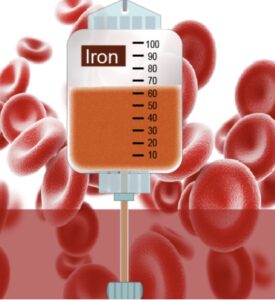
Iron deficiency is one of the most common nutritional deficiencies worldwide, often leading to iron deficiency anemia. When oral iron supplements are ineffective or poorly tolerated, iron infusion therapy, such as with Venofer (iron sucrose), can provide a safe and efficient alternative. Here, we’ll explore what Venofer is, how iron infusions work, and the benefits they offer.
Venofer is a type of intravenous (IV) iron therapy containing iron sucrose, which is used to treat iron deficiency anemia. This medication delivers iron directly into the bloodstream, bypassing the gastrointestinal system, making it ideal for individuals who cannot absorb oral iron or have severe anemia requiring rapid replenishment of iron stores.
Iron infusions are typically recommended for individuals who:
Venofer infusions work by directly delivering elemental iron into the bloodstream. This iron is then used by the body to produce hemoglobin, a critical protein in red blood cells that carries oxygen to tissues and organs. Restoring iron levels helps alleviate symptoms of anemia, such as fatigue, weakness, and shortness of breath.
While Venofer is generally well-tolerated, some individuals may experience:
Your healthcare provider will take precautions to minimize risks and address any side effects that may occur.
Venofer may not be suitable for:
Iron infusions, including those with Venofer, are a powerful tool for managing iron deficiency anemia, particularly for individuals who cannot tolerate or benefit from oral supplements. By rapidly replenishing iron stores, these infusions can significantly improve quality of life and alleviate debilitating symptoms. If you think you might benefit from iron infusion therapy, consult your healthcare provider to determine the best treatment plan for your needs.
1. How quickly will I feel better after a Venofer infusion?
Many patients report feeling improvements in symptoms like fatigue within a few days to weeks, though it may take longer to fully restore iron levels.
2. Are Venofer infusions painful?
The infusion itself is typically painless, though some patients may feel a mild pinch when the IV is inserted or experience slight discomfort at the injection site.
3. How many infusions will I need?
The number of infusions varies depending on your iron levels and the severity of your anemia. Your healthcare provider will create a treatment plan tailored to your needs.
4. Can I continue my regular activities after an infusion?
Most patients can resume normal activities immediately after the infusion, although it’s a good idea to rest if you feel fatigued.
For more information, schedule a consultation to discuss whether Venofer or other iron infusion therapies are right for you.

By Wholesome Co.
A cannabis ratio is used to compare the different cannabinoid amounts in a certain product. Each cannabinoid compound found within cannabis has specific effects on the human body. CBD may bring calm and relaxing effects while THC is associated with a psychoactive high. By utilizing the different cannabinoids, specific conditions and needs can be addressed.
A 1:1 ratio product contains equal parts CBD to THC, and a 1:2 THC to CBD contains one part THC for every two parts CBD. Ratios can also show the relationship between more than two measurements. An example of this would be a product containing 200mg THC, 200mg CBG, and 2,000mg CBD labeled as 1:1:10 THC:CBG:CBD. Checking product labels is important because ratio numbers do not always translate to the milligrams of cannabinoids in a product.
One advantage of using ratio products is the freedom to experience the healing properties of cannabis without the cognitive high. Using products with higher levels of cannabinoids other than THC allows for patients to go about their daily lives with a clear mind. This can be a great option for patients who benefit from the physical effects of cannabis during the day when drowsiness or obscured thinking is not desired. These effects can be found in products containing a higher concentrate of CBD or CBG compared to THC.
When it comes to using cannabis medicinally, ratio products are important to a patient’s individual treatment plan. Although cannabis has the stigma of being a recreational drug used to get high, there is more to the substance than THC content. Incorporating additional cannabinoids to the regime could be compared to taking more specific medications for a particular condition. For example, THC can help reduce negative thoughts and feelings while CBG may act as anti-inflammatory. CBD is often used to alleviate pain and inflammation while also decreasing anxiety caused by THC. Using a combination of cannabinoids provides additional health benefits in one product, compared to only one working independently.
1:1 THC:CBD
1:2, 1:4, 1:5 THC:CBD or THC:CBG
1:10 THC:CBD
Overall, knowing how different ratios may treat individual desires and conditions can be beneficial to a patient’s healing and wellness.

Although Marijuana is not yet approved by the FDA, more than two thirds of U.S. states and the District of Columbia have approved Medical Marijuana for medical treatment, and many more are proposing bills to do the same.
Qualifying conditions under the Utah Medical Cannabis Act are listed below:
HIV or acquired immune deficiency syndrome
Alzheimer’s disease
amyotrophic lateral sclerosis
cancer
cachexia
persistent nausea that is not significantly responsive to traditional treatment, except for nausea related to:
pregnancy
cannabis-induced cyclic vomiting syndrome
cannabinoid hyperemesis syndrome
Crohn’s disease or ulcerative colitis
epilepsy or debilitating seizures
multiple sclerosis or persistent and debilitating muscle spasms
post-traumatic stress disorder (PTSD) that is being treated and monitored by a licensed health therapist and that:
has been diagnosed by a healthcare provider by the Veterans Administration and documented in the patient’s record; or
has been diagnosed or confirmed by evaluation from a psychiatrist, masters prepared psychologist, a master’s prepared licensed clinical social worker, or a psychiatric APRN
autism
a terminal illness when the patient’s life expectancy is less than six months
a condition resulting in the individual receiving hospice care
a rare condition or disease that affects less than 200,000 individuals in the U.S., as defined in federal law, and that is not adequately managed despite treatment attempts using conventional medications (other than opioids or opiates) or physical interventions
persistent pain lasting longer than two weeks that is not adequately managed, in the qualified medical provider’s opinion, despite treatment attempts using conventional medications other than opioids or opiates or physical interventions
acute pain that is expected to last for 2 weeks or longer for an acute condition, including a surgical procedure, for which a medical professional may generally prescribe opioids for a limited duration
Note: Patients with medical conditions not listed in the law may petition the Compassionate Use Board for a Medical Marijuana card, which will review complete petitions and recommend eligibility on a case-by-case basis. LMPs are unable to submit to the Compassionate Use Board.
Cannabis Initial Pre/Post Instructions
To prepare for your Medical Marijuana appointment, please do the following:
Register for your Medical Marijuana card with the state:
Review qualifying medical conditions (see below)
Apply for your card online at http://medicalcannabis.utah.gov. You can view detailed instructions here. You must register for a Utah State ID prior to applying for a card!
Your status must be “Awaiting Cannabis Certification” prior to your appointment. Call us if you need help or have any questions!
After your appointment, your provider will submit your paperwork to the state. This is typically done on the same day as your appointment. Once complete your status will change to “Awaiting Payment”.
Instructions for making your payment:
Log in to the EVS and navigate to your patient profile
Hover over Tracking Inbox in the top left-hand corner of your screen and click Patient (not New Patient)
Click your name
Click the gray “Payment” tab (below the blue status bar and above your information)
Ensure your browser’s pop-up blockers are disabled
Click ‘+New,’ then ‘Click Here to Make Payment.’
A new window will open
Enter your payment information and submit
Once you receive a confirmation, you will be automatically redirected back to the EVS
Hover over Tracking Inbox in the top left-hand corner of your screen and click Patient (not New Patient)
Click your name
View your profile, where your status will have changed to ‘Renewal Completed’ or ‘Awaiting State Review.’
If your status is “Renewal Completed” or “Awaiting State Review,” you are finished. You wait for us to approve your card. Wait for your confirmation email that your card has been renewed.
After your payment has been completed the state will typically email your card within a few business days. We will reach out to you 3-4 weeks prior to your expiration and offer to book your renewal.
Additional Medical Marijuana Resources:

We are delighted to welcome you to our weight loss program options, designed to provide you with comprehensive and affordable healthcare services that help you live your best life.
Low Dose Membership Options/Details:
Recommended for patients utilizing 30-50 units/week
Membership Details:
Monthly Payment :
*Commitment to the duration of medications dispensed*
Membership Benefits:
As a valued member of Nervana Medical, you will enjoy the following benefits:
Standard Membership Options/Details:
Recommended for patients utilizing 50+ units/week
Membership Details :
Minimum Term: 3 months
Membership Benefits:
As a valued member of Nervana Medical, you will enjoy the following benefits:
“By The Vial Options/Details:
Recommended for patients utilizing 10-20 units/week
Minimum Term:None
Membership Benefits:

Many women face a turning point as they approach or navigate through menopause. What was once a vibrant, energetic life can feel overshadowed by mood swings, fatigue, and other symptoms of hormonal imbalance. These changes can affect relationships, productivity, and overall quality of life. At Nervana Medical, we often meet women tired of feeling “off” and seeking solutions to restore balance and vitality. For those experiencing these struggles, Hormone Replacement Therapy (HRT) offers a lifeline to reclaim themselves.
Hormonal changes during menopause can feel overwhelming, but HRT aims to address these issues by rebalancing essential hormones. Below, we explore what HRT is, its benefits, and how it can transform lives by restoring harmony to the body.
Hormones act as the body’s internal regulators, influencing everything from metabolism to emotional stability. As women age, particularly during menopause, the production of key hormones such as estrogen and progesterone declines. This decrease often leads to frustrating symptoms, including hot flashes, sleep disturbances, vaginal dryness, and emotional shifts. Left unchecked, these symptoms can diminish daily joy and overall health.
Hormone Replacement Therapy replenishes these essential hormones. At Nervana Medical, we specialize in Bioidentical Hormone Replacement Therapy (BHRT), which uses hormones derived from plant sources that are identical to those naturally produced by the body. This personalized approach helps restore hormonal balance safely and effectively, targeting symptoms at their root and supporting mental and physical well-being.
HRT goes beyond symptom relief—it’s about enhancing your quality of life. Here’s how it can help:
Hot flashes, night sweats, and vaginal dryness can disrupt even the simplest activities. HRT alleviates these discomforts, making daily life smoother and more enjoyable.
The hormonal shifts of menopause often bring emotional ups and downs. HRT can restore balance, reduce irritability, and foster a more stable, positive outlook.
Lower estrogen levels can weaken bones, increasing the risk of osteoporosis. By replenishing estrogen, HRT helps maintain bone density and reduces the likelihood of fractures.
Brain fog and fatigue often plague women during menopause. HRT enhances focus, memory, and energy levels, empowering women to stay sharp and active.
Hormonal changes can diminish libido or cause discomfort during intimacy. HRT addresses these issues, improving sexual health and helping women regain confidence in their relationships.
Perhaps most importantly, HRT allows women to feel “normal” again. By addressing hormonal imbalances at their source, women can rediscover their vitality, enthusiasm, and joy for life.
At Nervana Medical, we take a personalized, holistic approach to Hormone Replacement Therapy. Here’s what you can expect from our process:
Many clients report noticeable improvements within weeks of beginning treatment, including increased energy, reduced symptoms, and a renewed sense of well-being. But what truly sets Nervana Medical apart is our commitment to personalized care. From the first consultation to ongoing support, we strive to make every step of the journey empowering and effective.
While HRT has transformed the lives of many women, it isn’t a one-size-fits-all solution. Certain health conditions or risk factors may make HRT unsuitable for some individuals. That’s why a comprehensive medical evaluation is essential before starting therapy.
At Nervana Medical, we prioritize your safety and well-being. During your consultation, we’ll explain the potential benefits and risks of HRT, helping you make an informed decision about what’s best for your health.
Hormonal imbalances don’t have to dictate your daily life. With Hormone Replacement Therapy, you can take back control, restore balance, and rediscover the vibrant, energetic person you are. From alleviating menopause symptoms to enhancing overall well-being, HRT empowers women to live fully and confidently.
At Nervana Medical, we’re committed to supporting you on this journey. Our Bioidentical Hormone Replacement Therapy approach ensures a personalized and effective treatment plan. Whether you’re dealing with menopausal symptoms, low energy, or other hormone-related challenges, we’re here to guide you every step of the way.
Don’t let hormonal imbalances keep you from living your best life. Take the first step toward thriving again. Book an appointment with Nervana Medical today to explore the transformative benefits of personalized hormone therapy.

Starting any weight loss program, especially at a medical weight loss clinic, can feel overwhelming. From understanding how medications work to knowing what happens during your first visit, it’s natural to have questions. That’s why we’ve put together this guide to help you understand what to expect during your initial consultation at our medical weight loss clinic in Sandy, UT. With the right support, knowledge, and tools, you’ll be setting the foundation for a successful weight loss journey.
Your first visit to our medical weight loss clinic is all about getting to know you. Expect a friendly, supportive environment where your health goals are at the center of everything. The consultation typically begins with a detailed review of your medical history. One of our providers will ask questions about any previous weight loss attempts, current lifestyle and habits, existing medical conditions, and medications you’re taking.
This part of the process ensures your weight loss plan is safe and customized to fit your specific needs. Providers may also take baseline measurements, including weight, height, and BMI, to establish where you’re starting. We may request lab work to gain deeper insights into metabolic factors or hormone imbalances that could impact weight loss progress.
Once your health history is reviewed, a provider will outline a customized weight loss program to give you a clear picture of how it works. At this stage, you may be introduced to GLP-1 receptor agonist medications, such as tirzepatide for weight loss or semaglutide, for weight loss. These medications are highly effective options prescribed to help manage hunger, regulate appetite, and improve blood sugar.
The provider will discuss how these medications mimic natural hormones in your body to reduce hunger cues, making it easier to follow dietary and lifestyle changes. They’ll also inform you about potential side effects, how to take the medication properly, and how dosing adjustments will occur over time to optimize results.
A critical part of your initial consultation is creating a long-term, sustainable plan. Weight loss isn’t just about medication; it’s about making lifestyle changes, too. At Nervana Medical, our standard weight loss memberships include a consult with our own, registered dietician who will review your eating habits and physical activity level and can even run a resting metabolic rate test to see what your metabolism is doing.
We’ll suggest a diet and exercise plan tailored to your unique needs and goals. These plans often emphasize balanced, nutrient-dense meals, practical portion control, and manageable fitness routines designed for gradual improvement—all contributing to sustainable weight management.
Additionally, expect to receive tools like food tracking guides, suggested meal plans, and ongoing communication with your care team to ensure you stay on track.
Education is a cornerstone of our approach to weight loss with medications like Tirzepatide and Semaglutide. During your consultation, we take the time to explain how these medications work, how they align with your body’s changing needs, and how regular follow-ups will optimize your success.
You’ll leave the consultation with a clear understanding of what to expect and achievable milestones that keep you motivated. By focusing on education and goal-setting, we ensure you have the knowledge and support to achieve lasting success.
One of the greatest benefits of working with our medical weight loss clinic is the ongoing support. After your consultation, you’ll have regular follow-ups to measure progress, adjust your medication dosage if needed, and address any challenges you may be encountering.
These frequent touchpoints help ensure that your plan is working as it should and give you access to immediate adjustments that could improve your experience. Whether it’s fine-tuning your diet or managing possible side effects, you’re never alone in your weight loss journey.
At Nervana Medical, we provide additional benefits to enhance your weight loss journey. Our program includes complimentary intramuscular vitamin injections, such as B12, twice per month to boost energy and support a healthy metabolism.
We make logistics simple and convenient by offering overnight shipping for medications in insulated packages, ensuring timely delivery no matter where you are. Flexibility is a priority—our telehealth capabilities allow for follow-ups from the comfort of your home if in-person visits aren’t feasible.
We also recognize that every patient is different and has different needs- so we have a variety of membership options to best suit your needs both physically and financially.
Visiting a medical weight loss clinic for the first time is an exciting step toward achieving your health and wellness goals. From thorough health assessments to personalized plans and expert guidance on medications like tirzepatide or semaglutide for weight loss, the consultation sets the stage for a tailored approach to weight management.
The combination of specialized care, education, and ongoing support ensures you’re not just losing weight but also learning how to maintain those results. If you’re ready to start a weight loss program that prioritizes your unique needs for long-term success, contact us today at [email protected] or call us at (801) 335-5243.
For more services, visit:
The MTHFR gene is a gene that provides instructions to the body to produce an enzyme called methylenetetrahydrofolate reductase (MTHFR). This enzyme plays a crucial role in a process called methylation, which is important for various bodily functions including DNA synthesis, neurotransmitter production, and detoxification.
The MTHFR enzyme breaks down homocysteine and folate in the body. The MTHFR gene that codes the MTHFR enzyme may undergo a mutation; as a result, this mutation incites the MTHFR enzyme to function abnormally or become deactivated. The MTHFR enzyme helps regulate detoxification and the immune system, and also repairs cells.
MTHFR gene mutations are variations in the DNA sequence of the MTHFR gene that can affect the activity of the MTHFR enzyme. A considerable percentage of the world’s population has at least one variant of this gene. The most common MTHFR mutation is called C677T, and it can cause a decrease in MTHFR enzyme activity by up to 70%.This decrease in enzyme activity can lead to a buildup of a substance called homocysteine in the blood, which is associated with an increased risk of cardiovascular disease, stroke, and other health problems.
Though further research is underway on the MTHFR gene, it’s been suggested that those with this gene mutation resulting in hyperhomocysteinemia may experience issues with inflammation, memory, immunity, migraines, depression, cognition and sleep. By restoring some of the common vitamin/nutrient deficiencies seen in this condition, homocysteine levels may begin to decrease, resulting in an improvement in some of these symptoms.
If you have been diagnosed with an MTHFR gene mutation, it is important to work with your healthcare provider to develop a personalized treatment plan. This may include taking supplements such as folate and vitamin B12, which can help to lower homocysteine levels and support methylation processes in the body. In addition to nutraceuticals, we offer premium injections designed specifically for methylation support/ improvement in homocysteine levels as well as IV therapy.
It is also important to maintain a healthy lifestyle, including a balanced diet and regular exercise, to support overall health and wellbeing.
Having an MTHFR mutation is not exactly something you would know about because not many people get tested for it at all. In many of our blogs, we described the MTHFR gene as an enzyme that converts the folate you eat from food into the active form – 5-Methyltetrahydrofolate. Having a mutation greatly affects how much folate your body will be able to metabolize and absorb.
More than folate absorption, the MTHFR gene is also heavily involved in the process of methylation which is responsible for converting homocysteine into methionine, a substance the body needs for proper metabolism and muscle growth and which is needed for glutathione creation. The process of methylation also involves the enzyme from the MTHFR gene, so those with a mutation may have trouble effectively eliminating toxins from the body.
BUILDING A LIFESTYLE AROUND THE MTHFR GENE
Those with a MTHFR gene mutation have a highly reduced ability to convert folic acid or even folate into a usable form. Research estimates that as much as half of the population may have an MTHFR gene mutation, though there are many variations of the mutation, depending on how the gene was passed down from the parents.
With that said, if you have an MTHFR mutation you would be doing your body a favor by having a lifestyle that caters to specifically for people diagnosed with a mutation in their MTHFR gene. Though it isn’t possible to change a gene, there are things that can be done to minimize the potential for problems or to help avoid problems in children.
Below are some diet tips as well as other helpful information on how to cope with an MTHFR mutation.
1. FOCUS ON GUT HEALTH
It is important to focus on gut health so that the body can absorb the nutrients from food as effectively as possible especially when you know your body is unable to use nutrients efficiently. Support your gut with fermented foods and homemade broth. Avoid vegetable oils, processed grains, refined sugars, and even antibacterial soaps.
2. AVOIDING TOXINS IN THE ENVIRONMENT
As mentioned, those with an MTHFR gene defect have an impaired ability to eliminate toxins. Avoid plastics, chemicals in beauty supplies and cleaning products. Even scented candles aren’t good for you since they release harmful chemicals in the air. When cleaning indoor air, use houseplants instead and make sure you filter your drinking and shower water too.
3. NOT TAKING FOLIC ACID
Folic acid is the synthetic form of folate that cannot be used by those with a MTHFR defect and which can be very toxic.avoid any supplements with folic acid and only take L-MTHF forms, which are the methylated forms that my body can use. Also take a methyl-B12 which is supposed to help the body use L-MTHF.
4. EATING LEAFY GREENS
Dark leafy greens contain the methylated forms of folate that those with a gene defect need. As if we needed more reasons that it is important to consume green veggies. We’re talking about the likes of spinach, kale, bok choy, and Swiss chard. You don’t have to go at grass like a goat, just adding a small portion per meal is good enough.
5. DON’T EAT PROCESSED FOODS, EAT ORGANIC
Many processed foods have synthetic folic acid added as well as how they’re just not healthy for you. Eat hormone free, grass-fed meats, grass-fed butter or ghee, and organic free-range eggs. The key here is to eat something the way nature intended and not how large-scale factories want it.
6. AVOIDING HEAVY METALS
Heavy metals in diet or environment are harder to remove from the body for those with a gene defect. Remove mercury amalgams from a trained biological dentist. Avoid aluminum exposure in antiperspirants and cookware. Help remove toxins using liposomal glutathione.
7. GETTING FOLATE FROM NATURAL SOURCES
8. GET YOUR HOMOCYSTEINE LEVELS MEASURED
Your body’s ability to convert homocysteine is impaired if you have an MTHFR mutation. If your homocysteine levels are abnormally elevated, it can result in an increased risk of heart attack and stroke. Cognitive impairment, mood disorders, congenital defects and pregnancy complications may all also be significant problems. High homocysteine levels also appear to be correlated with incidences of PCOS. No one agrees on an upper limit for safe homocysteine level;.
If your homocysteine levels are high, there may be benefits in supplementing certain vitamins to help improve your levels.
9. HAVE A REGULAR DETOX
Since your body’s ability to detox properly is impaired, you would be doing it a favor by initiating your own little detox routines. If you don’t detox and your body also has trouble detoxing, the body can become over-burdened by heavy metals such as copper, lead, or mercury, or by environmental toxins like BPA, or by normal body waste like excess estrogen.
Some detox regimens include infrared sauna sessions, Epsom salt baths, and regular exercise or sweating.
10. SUPPLEMENT WITH ESSENTIAL NUTRIENTS
Nutrients from food are great but if you find yourself unable to procure food rich in nutrients you need then you really have to take something exogenous. Methyl-B12, methyl-folate, TMG, N-acetylcysteine, riboflavin, curcumin, fish oil, Vitamins C, D, E, and probiotics are excellent supplements your body will love more so if you have an MTHFR mutation.
A word of caution: if you are double homozygous for MTHFR mutations, you should advance carefully with methyl-B12 and methyl folate supplementation. Some patients with this type of mutation can’t tolerate high doses. Also, avoid taking high doses of niacin (vitamin B3), which can hinder methylation.
TAKEAWAY
Building a lifestyle around an MTHFR mutation isn’t really all that difficult as a large part of it is mainly about living a healthy lifestyle filled with a proper diet and a good amount of exercise. Granted those with MTHFR mutations need to be more careful around the use of synthetic substances and products as well as eat more of food that will help them detox and methylate but the adjustment only really looks hard on paper. Once you’re inclined to live a healthy life, these little tweaks aren’t really that much to think about. The key is consistency and awareness plus regular testing.

Methyl B12
Each tablet provides 5,000 mcg of methylcobalamin and 1,000 mcg of folate as Quatrefolic
Synergistic blend of methyl-donating B vitamins quickly boosts tissue and brain levels to support numerous systems in the body like increasing metabolic energy, red blood cell production, mood regulation, nerve cell transmission, and cognitive function
Homocysteine (Methyl CPG)
Provides high concentration folate along with trimethyl glycine and key methylation vitamins B2, B6, B12 to promote DNA repair, homocysteine balance, neurotransmitter production, hormone balance, and healthy detox
Folate (active form) donates its methyl donor to vitamin B12 (cobalamin), forming methyl cobalamin. This helps convert the amino acid metabolite homocysteine into amino acid methionine, consistently helping recycle homocysteine
Folic acid and vitamin B12 (Methyl CPG + Methyl B12)
0.2-0.8 mg as folic acid or 5-methylfolate (5-MTHF) per day, minimum 12 weeks for greatest benefit and maintenance for up to ~5 years, with optional 0.4-1.0 mg vitamin B12 for improved efficacy in patients with elevated homocysteine (3)(5)(6)(7)(10)(12)(15)(16)(21)(23)(34)(37)(38)
Folic acid provided primary effect on homocysteine reductions ranging between ~13-30% (3)(4)(5)(6)(7)(10)(12)(15)(16)(21)(22)(23)(26)(32)(34)(40)
Proportions of reductions in homocysteine were highly dependent on greater baseline homocysteine and lower baseline folate levels (5)(15)(16)(29)(37)
Higher folic acid doses ranging between 5-60 mg per day were safely used, but did not reduce homocysteine further than ingestion of 0.8 mg (16)(22)(29)(32)(40)
Most human evidence did not support greater folate bioavailability or efficacy in reducing homocysteine by 5-MTHF over folic acid, but it may provide extended retention of benefit upon discontinuation in patients with poor methylation capacity (2)
Vitamin B12 produced additional ~7% reduction in homocysteine (4)(5)(15)(16)(21)
Individual trials showed benefit of adding vitamin B6 for further reductions in homocysteine, however this was not supported in meta-analyses (3)(5)(15)(16)(23)(34)
Males may have required higher folic acid dose ranges than women (6)
NAC (Acetylcysteine)
Precursor to Glutathione, the master antioxidant in the body.N-acetylcysteine (NAC) 600 mg, 2-3 times per day, for 2-8 weeks (14)(24)(36)(41)
Reduced total homocysteine by 12-45% in healthy patients or patients at increased risk for CVD (9)(14)(24)(36)(39)
Oral formulations reduced total homocysteine in patients with end-stage renal disease by 21-25%, while intravenous formulations further reduce homocysteine during hemodialysis by ~90% (24)(27)(31)
Reduced SBP (~7.1 mmHg) and DBP (~3.3 mmHg) in hyperlipidemic men and SBP (~3.2 mmHg) in normolipidemic men; each 10% reduction in homocysteine is associated with 1.45-2.55 reduction in pulse pressure mmHg in patients undergoing hemodialysis (14)(27)(31)
Increased urinary excretion of homocysteine in its sulfonated form (36)
Omega-3 fatty acids
200-6,000 mg (~98-2,000 mg EPA/490-1,000 mg DHA) per day, for 1-12 months in patients with hyperhomocysteinemia or elevated homocysteine within normal ranges (8)(11)(13)(17)(18)(19)(25)(30)(42)(43)
Reduced homocysteine by 1.18-1.58 μmol/L on average using wide dose ranges, as shown in meta-analyses (8)(18)
Reduced homocysteine by ~2.5-4.0 μmol/L in patients with type II diabetes, patients on hemodialysis, or healthy adults using mid-range doses of 2,000-3,600 mg per day for 1-3 months and up to one year (11)(17)(25)(30)(42)(43)
Reduced homocysteine by ~1.6 μmol/L over 12 months in patients younger than 65 years, previously suffering from myocardial infarction (13)
Adjunct therapy with folic acid, vitamin B6, and vitamin B12 improved efficacy (8)(17)
Adjunct aerobic exercise and cognitive stimulation may be required for benefit in some populations, including older adults with mild cognitive impairment (19)