Exciting News! Mind's Journey & Nervana Medical Are Coming Together to provide even more services

Addiction is a complex and deeply personal battle that affects both the brain and the body. Whether it’s opioids, alcohol, stimulants, or other substances, breaking free from addiction often requires more than just willpower. At Nervana Medical, we believe in treating the root of the issue—not just the symptoms—and that’s where ketamine therapy may offer new hope for patients struggling with addiction.
Addiction isn’t just a behavioral issue—it's a neurological condition. Repeated use of addictive substances rewires the brain’s reward system, particularly the dopamine pathway, making it harder to feel joy, motivation, or purpose without the substance. Over time, this dysregulation can contribute to:
Traditional treatment options, like therapy and medication-assisted treatment (MAT), can be life-changing—but for many people, they’re not enough on their own. This is where ketamine may fill a vital gap. A book we love that explains the way Dopamine works in addiction is: Dopamine Nation; You can find it on Amazon here: (Or it is also on Audible!)
Dopamine Nation: Finding Balance in the Age of Indulgence: Lembke, Dr. Anna: 9781524746742
Ketamine is a dissociative anesthetic that, when used in controlled, sub-anesthetic doses, can profoundly affect the brain’s NMDA receptors and glutamate system—a key player in mood regulation, cognition, and learning/memory. It is also known to promote neuroplasticity, helping the brain form new, healthier connections.
Think of ketamine as a "neurological reset"—helping break the deeply ingrained thought and behavioral loops that fuel addiction. Many patients report feeling emotionally clearer, more open to therapy, and less burdened by the shame, guilt, or trauma that often drives relapse.
It can be especially beneficial during:
At Nervana Medical, we emphasize integrative care. Ketamine works best when paired with ongoing support such as:
We can help you create a care plan that addresses both your mental and physical health—including any nutritional, hormonal, or neurological imbalances that could be contributing to your addiction cycle.
Ketamine therapy may be appropriate for individuals who:
Recovery is not about being perfect—it’s about getting support that helps you heal on every level. Ketamine therapy is not a cure for addiction, but for many, it’s a powerful catalyst for change—opening the door to meaningful recovery, reduced cravings, and emotional resilience.
Nervana Medical offers ketamine-assisted therapy in a safe, supportive, and medically-supervised environment. We serve patients across Sandy, Salt Lake City, Draper, Midvale, South Jordan, Cottonwood Heights, and the surrounding Utah areas.
Contact us today to schedule a consultation and see if ketamine is right for your recovery journey.
Sources
[1] Ketamine for the treatment of addiction: Evidence and potential ... https://pubmed.ncbi.nlm.nih.gov/29339294/
[2] Ketamine for Addiction | Bespoke Treatment https://bespoketreatment.com/blog/addiction-and-ketamine-how-ketamine-helps-with-addiction/
[3] Ketamine Infusion Therapy for Addiction in Brookfield & Mequon, WI https://www.randrmd.com/KetamineTreatments/Addiction
[4] Efficacy of Ketamine in the Treatment of Substance Use Disorders https://pmc.ncbi.nlm.nih.gov/articles/PMC6094990/
[5] National Helpline for Mental Health, Drug, Alcohol Issues - SAMHSA https://www.samhsa.gov/find-help/helplines/national-helpline
[6] Ketamine for Addiction: What to Know - WebMD https://www.webmd.com/mental-health/addiction/ketamine-for-addiction-what-to-know
[7] How a Ketamine Infusion Can Offer Hope for Drug Abusers https://futurepsychsolutions.com/blog/how-a-ketamine-infusion-can-offer-hope-for-drug-abusers/
[8] Is ketamine addictive, and is it safe for depression? - UCHealth Today https://www.uchealth.org/today/ketamine-safety-is-it-addictive-does-it-help-with-depression/
PubMed
Ketamine for the treatment of addiction: Evidence and potential mechanisms - PubMed
Ketamine is a dissociative anaesthetic drug which acts on the central nervous system chiefly through antagonism of the n-methyl-d-aspartate (NMDA) receptor. Recently, ketamine has attracted attention as a rapid-acting anti-depressant but other studies have also reported its efficacy in reducing prob …
Ketamine for the treatment of addiction: Evidence and potential mechanisms - PubMed
Bespoke Treatment
Ketamine for Addiction | Bespoke Treatment
Ketamine in addiction treatment. Understand how it helps rewire the brain, reducing dependency on alcohol & other substances
randrmd.com
Ketamine Infusion Therapy & Treatment Clinic in Milwaukee & Waukesha
R and R MD is a ketamine infusion therapy clinic in Brookfield, WI. Contact us today for an initial consultation! (66 kB)
Ketamine Infusion Therapy for Addiction in Brookfield & Mequon, WI | Reset Restore MD
PubMed Central (PMC)
Efficacy of Ketamine in the Treatment of Substance Use Disorders: A Systematic Review
Background: Despite advances in behavioral and pharmacotherapy interventions, substance use disorders (SUDs) are frequently refractory to treatment. Glutamatergic dysregulation has received increasing attention as one common neuropathology across ... (174 kB)
Efficacy of Ketamine in the Treatment of Substance Use Disorders: A Systematic Review - PMC
samhsa.gov
National Helpline for Mental Health, Drug, Alcohol Issues
SAMHSA’s National Helpline is a free, confidential, 24/7, 365-day-a-year treatment referral and information service (in English and Spanish) for individuals and families facing mental and/or substance use disorders. (64 kB)
National Helpline for Mental Health, Drug, Alcohol Issues | SAMHSA
Ketamine therapy has emerged as a powerful treatment for depression, anxiety, PTSD, and chronic pain, offering rapid relief when other treatments fall short. Now, innovative clinics are taking it a step further by integrating Virtual Reality (VR) into the ketamine experience, creating a multi-sensory healing environment that enhances the treatment’s effectiveness.
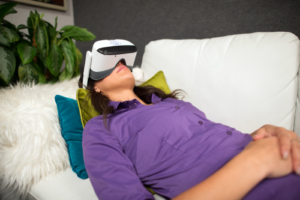
Ketamine induces a unique altered state of consciousness, helping patients disconnect from negative thought patterns and gain new perspectives. When combined with Virtual Reality, the experience becomes even more immersive, guiding patients through calming landscapes, guided meditations, or therapeutic visual journeys that complement the biochemical effects of ketamine.
Deepened Relaxation & Mindfulness – Immersive VR environments help patients feel more at ease, reducing anxiety before and during treatment.
Enhanced Neuroplasticity – VR engages the brain in new ways, reinforcing the rewiring effects of ketamine therapy.
Guided Emotional Processing – VR programs can include mindfulness exercises, psychedelic-inspired visuals, and calming nature scenes to enhance introspection.
Reduced External Distractions – Patients become fully engaged in their therapeutic journey, allowing for deeper dissociation and healing.
1️⃣ Pre-Treatment Prep – Patients select a VR experience tailored to their needs, such as guided meditation, serene landscapes, or abstract psychedelic visuals.
2️⃣ Ketamine Treatment – As the ketamine takes effect, the VR headset provides a complementary visual and auditory journey, deepening the experience- VR during the treatment will be upon provider and patient discretion on best fit.
3️⃣ Integration & Reflection – After the session, patients discuss their insights and emotions with a clinician, reinforcing the therapeutic benefits.
Individuals with treatment-resistant depression or PTSD
Those struggling with chronic anxiety or stress-related disorders
Patients seeking a non-traditional, immersive healing experience
Anyone looking to maximize their ketamine journey for personal growth and emotional healing
The combination of ketamine therapy and virtual reality represents the next evolution in mental health care, offering a deeply transformative experience for patients seeking relief from emotional suffering.
If you’re curious about how VR-enhanced ketamine therapy can help you, contact Nervana Medical today to learn more!
Book a consultation here.
Ketamine has emerged as a promising treatment for individuals with treatment-resistant depression (TRD), offering rapid relief when traditional therapies fail. Recent research has shown that while a single ketamine infusion can provide short-term benefits, repeated and maintenance infusions are more effective at sustaining improvements in mood and preventing relapse. This study explores the impact of single, repeated, and long-term ketamine therapy in managing TRD, highlighting its potential as a life-changing treatment option. Read more on some of the driving factors that led our Ketamine team at Nervana Medical to believe that group treatments were necessary to provide a cheaper alternative to help people maintain their mental health at a more affordable rate.
The study Single, Repeated, and Maintenance Ketamine Infusions for Treatment-Resistant Depression: A Randomized Controlled Trial (Phillips et al., 2019) examined the effects of single, repeated, and maintenance ketamine infusions in patients with treatment-resistant depression (TRD). Here are the key findings:
Single, Repeated, and Maintenance Ketamine Infusions for Treatment-Resistant Depression: A Randomized Controlled Trial Jennifer L Phillips 1, Sandhaya Norris 1, Jeanne Talbot 1, Meagan Birmingham 1, Taylor Hatchard 1, Abigail Ortiz 1, Olabisi Owoeye 1, Lisa A Batten 1, Pierre Blier 1 PMID: 30922101 DOI: 10.1176/appi.ajp.2018.18070834
Many people often wonder about the science or explanation behind certain treatments or services they use, and ketamine therapy for mental health concerns is a great recent example. Ketamine treatments, which have skyrocketed in popularity and frequency of use around the country in recent years, have shown benefits to numerous people dealing with various mental health conditions or disorders.
At Nervana Medical, we're proud to offer caring, compassionate ketamine treatments for patients around South Jordan, Sandy and nearby areas. We offer ketamine therapy for depression, anxiety and several other mental health conditions, and we also regularly explain the known science behind these treatments to our patients. Here's a run through some of the most important facets of how ketamine impacts the brain, and how this can show benefits for mental health treatment.
Note: Ketamine therapy is still being researched in several major academic institutions around the world, and more will be discovered about its impact in several areas. What follows is a guide to what's currently known, and is not meant as a full synthesis of the science behind ketamine.
For those just learning about ketamine, it's a medication that's been used for decades in surgical and emergency settings. It has powerful sedative effects when given in large doses, which is why it's often used to help patients deal with pain or traumatic experiences (such as being transported in an ambulance).
In recent years, however, medical professionals have discovered a secondary use for ketamine - its ability to act as a rapid-acting antidepressant. This discovery has led to the growing popularity of ketamine therapy for mental health conditions.
How does ketamine actually work, and how does it impact the brain? Our next several sections will look into this, with particular emphasis on how these effects can be beneficial for mental health treatment.
Within the brain, a substance known as glutamate is responsible for several important functions, including learning and memory formation. However, some people deal with what's believed to be various forms of glutamate dysfunction, and these can often play a role in the formation of mental health conditions like anxiety or depression.
Ketamine, however, helps modulate the activity of glutamate - it helps regulate the amount and strength of signals sent by this substance, which can lead to improved brain function overall. For those dealing with a condition that has been linked to glutamate dysfunction, ketamine therapy may be able to help restore balance in this area.
To get even more specific, ketamine blocks the activity of what are known as NMDA receptors within the brain. These are one type of glutamate receptor, and by blocking them, ketamine helps slow down certain signaling functions that may be negative in cases of mental health disorders.
In addition, this process helps stimulate the growth and development of new neural connections. Over time, this can lead to improvements in brain function and overall well-being for those dealing with mental health conditions.
Another possible factor that research has suggested is the ability of ketamine to increase the brain's production of brain-derived neurotrophic factor, abbreviated BDNF. This is a protein that's vital for the growth and survival of brain neurons - by increasing its production, ketamine may be able to support the growth and maintenance of healthy brain cells.
Additionally, low levels of BDNF have been linked to several mental health conditions - by raising these levels, ketamine may be able to provide relief to those affected by such disorders.
One major difference between ketamine and many antidepressants or other mental health treatments is the speed of its results. Many traditional treatments may take weeks or even months to show noticeable improvements, but ketamine can often provide relief within hours after a single treatment session. This rapid-acting feature is one of the main reasons why ketamine has gained so much attention in recent years.
Once again, this traces back to glutamate and NMDA receptors - by blocking these, ketamine helps reduce brain inflammation and improve neural connectivity, leading to fast-acting results for mental health conditions.
The science behind ketamine therapy for mental health treatment is still being researched and understood. However, what's currently known suggests that it can have positive impacts on the brain by modulating glutamate activity, blocking NMDA receptors, and increasing BDNF production. Its rapid-acting nature also makes it an appealing option for those seeking relief from symptoms of depression or anxiety without waiting weeks or months for traditional treatments to take effect.
At Nervana Medical, we aim to continue staying up-to-date on the latest research and developments in ketamine therapy, so we can provide the best care possible for our patients. If you or a loved one are interested in learning more about ketamine therapy for mental health, please don't hesitate to reach out to us. We're here to help on your journey towards improved mental well-being, whether you're in South Jordan, Sandy or any nearby area.
Many would describe the United States as in the throes of a mental health crisis, and one of several ways this is observed is in high rates of both suicide and suicidal ideation. A goal of mental health professionals and treatments is often to help limit suicidal ideations or intentions, and ketamine therapy is one approach that's showing some real benefits in this area.
At Mind's Journey, we're proud to offer a wide range of ketamine therapy treatments for depression, anxiety, PTSD and many related conditions for patients around Sandy and South Jordan. Here are some of the basics on the mental health crisis we're in and some reasons why suicidal ideations are at high levels, plus how ketamine therapy is showing benefits in this area.
Note: This blog is not meant to claim ketamine therapy as a cure for suicidal ideations, but rather to present evidence-based information on its potential role in addressing this issue.
The United States is currently facing a mental health crisis with high rates of depression, anxiety, and other related conditions. According to the National Institute of Mental Health (NIMH), nearly 1 in 5 adults in the US suffer from some form of mental illness. That's over 46 million people – a staggering number that highlights the severity of this issue.
Not only are these numbers alarming on their own, but they also contribute to other concerning statistics. One such statistic is the high rate of suicide in the US. Suicide is now one of the leading causes of death in the country, with over 47,000 people taking their own lives each year.
There are many complex factors that contribute to high rates of suicidal ideations and intentions. Some common risk factors include a history of mental health disorders, previous suicide attempts, substance abuse, chronic pain or illness, financial difficulties, and social isolation.
In addition to these individual factors, societal issues such as stigma surrounding mental illness and limited access to quality mental healthcare also play a role in perpetuating the crisis.
As many readers are already well aware, there is a direct correlation between depression and suicidal thoughts. Depression is a serious mental health disorder that affects over 300 million people globally. It is characterized by persistent feelings of sadness, hopelessness, and loss of interest in activities that were once enjoyable.
For those with depression, the constant negative thoughts and emotions can become overwhelming, leading to thoughts of suicide as a means of escape from their pain.
Ketamine therapy has been gaining recognition for its potential in treating various mental health conditions, including depression and anxiety. Research has shown that ketamine can rapidly reduce depressive symptoms in individuals who have not found relief through traditional treatments.
In addition to its antidepressant effects, studies have also found that ketamine therapy can significantly reduce suicidal ideations. This is thought to be due to the way ketamine affects key receptors in the brain, leading to increased production of proteins that promote neural connections and decrease symptoms of depression.
Because ketamine is still relatively new in the field of mental health treatment, more research is needed to fully understand its potential effects on suicidal ideations. However, the initial findings are promising and offer hope for those suffering from chronic depression and thoughts of suicide.
At Mind's Journey, we prioritize the safety and well-being of our patients above all else. We work closely with each individual to develop a personalized treatment plan that addresses their unique needs and concerns.
While this will vary between each individual, here are some specific approaches often taken within ketamine therapy to help address and limit suicidal ideations:
Suicidal ideations are a serious issue that requires comprehensive and individualized treatment. While ketamine therapy may not be a cure on its own, it is showing promising results in reducing suicidal thoughts and improving overall mental health for many individuals.
At Mind's Journey, we believe in providing our patients with cutting-edge treatments backed by research and delivered with compassion. If you or a loved one is struggling with chronic depression or suicidal ideations, please don't hesitate to reach out to us for more information on how we can help. Remember, there is always hope and healing available. Contact us for any of our ketamine therapy services around Sandy, South Jordan and nearby areas.
As ketamine therapy is one of the newer formats out there today and many people are not entirely familiar with it, a number of common questions come up regarding it. One such example: Is ketamine an opioid?
At Mind's Journey, we're proud to offer the very best ketamine treatment services to clients around Sandy, Draper, Riverton, South Jordan, Herriman, Bluffdale and nearby areas of Utah. We offer ketamine therapy for depression, PTSD, anxiety and related symptoms. The basic answer to the above question is no, ketamine is not an opioid - here's a deeper dive into some of the confusion and misconceptions surrounding this topic, plus some of the important differences between ketamine therapy and opioids.
At a foundational level, it's easy enough to see why ketamine and opioids can sometimes be mistaken for one another or considered to be the same thing. Ketamine therapy can indeed product a few effects that are similar to certain opioids, including:
So if there are all these similarities between opioids and ketamine therapy, what makes them different? There are several key factors that set them apart:
It's important to recognize that despite the reality that ketamine therapy is not an opioid, it remains a Schedule III controlled substance in the US. This means that it has a potential for abuse and dependence, but still has some accepted medical uses.
Again, this highlights the importance of working with professional, experienced ketamine therapy providers like the team here at Mind's Journey. We'll help ensure you receive the right dosage, frequency and monitoring to keep your treatment effective without any risk of dependency or other issues.
At Mind's Journey, we've found that some of our patients still experience some stigma or judgment when discussing ketamine therapy with friends, family members or acquaintances. We're here to tell you that there's nothing to be ashamed of - seeking help for depression, PTSD, anxiety or any other mental health concern is a brave and necessary step towards improving your well-being and quality of life.
If anyone questions the validity of ketamine therapy as a treatment option, remember what we've discussed above: It's not an opioid, it has unique mechanisms and dosages compared to opioids, and it can provide long-term relief from symptoms with careful monitoring.
Don't let misconceptions prevent you from exploring this life-changing treatment option - contact Mind's Journey today to learn more about our ketamine therapy services or our medical cannabis solutions around Sandy, Draper, Riverton, South Jordan, Herriman, Bluffdale and nearby parts of Utah!
There are a few concepts that often come into play for those who find benefits from ketamine therapy and want to continue it, and one that's important for many people is the integration of regular ketamine therapy sessions into their routine. The work you do between ketamine therapy sessions can be vital for helping maximize the benefits you get from ketamine treatments, and there are several forms of integration here that may be valuable for you.
At Mind's Journey, we're here to offer a huge range of ketamine therapy treatments for patients around Sandy, South Jordan, Draper, Riverton and nearby areas of Utah. Why are the periods between ketamine therapy treatments important for maximizing their benefits, and what are some of the integration methods that tend to be useful? Here's a primer.
Before we even get into the topic of integration, it's important to note that everyone responds differently to ketamine therapy. This is true not only in terms of how long the benefits last for them, but also in terms of what they consider "optimal" benefits in the first place. Some people may find that just one session every few weeks is enough to maintain their desired level of mental wellness, while others may benefit from more frequent sessions.
While it's true that the primary focus of ketamine therapy is on the treatment sessions themselves, what happens in between these sessions can be just as important. This time is when you have the opportunity to put into practice everything you've learned during your therapy session and make any necessary adjustments to your daily routines or habits. It's also a chance for the effects of ketamine to fully integrate into your mind and body.
For instance, if you're utilizing ketamine therapy for PTSD, these periods between sessions can give you the time and space to process any difficult emotions or memories that may have come up during your therapy. This integration period allows for further healing and can help solidify the positive changes that occurred during your treatment session.
There are several integration methods that may be helpful for those undergoing regular ketamine therapy sessions. We'll go over these in subsequent sections.
For many people, one of the most effective ways to integrate the benefits of ketamine therapy is through meditation. This practice can help you connect with your inner self and allow for deeper introspection and reflection.
Meditation also promotes relaxation, reduces stress and anxiety, and can help improve overall mental well-being. It's a great tool for maintaining the positive effects of ketamine therapy in between sessions.
Similar to meditation, journaling is another way to reflect on and process any emotions or thoughts that may come up during and after ketamine therapy sessions. By writing down your thoughts, you can gain a better understanding of your feelings and thought patterns, which can aid in self-discovery and growth.
Journaling also serves as a record of progress over time, allowing you to look back and see how far you've come in your mental health journey. It can also be a therapeutic outlet for expressing emotions that may be difficult to verbalize.
Another important aspect of integration is taking care of your physical health. Exercise has been shown to have a positive impact on mental well-being and can be especially beneficial for those undergoing ketamine therapy. Physical activity releases endorphins, which can help boost mood and reduce symptoms of depression and anxiety.
Regular exercise can also improve sleep quality, which is crucial for overall mental health. It's important to find an exercise routine that works for you and fits into your lifestyle in order to maintain the benefits of ketamine therapy.
While social media tends to be one of the more common stressors in today's society, it's important to identify any other triggers or sources of stress that may impact your mental well-being. This might include certain people, activities, environments, or habits.
If possible, try to minimize exposure to these stressors during the integration period between ketamine therapy sessions. This can help prevent setbacks and allow for a smoother integration process.
Lastly, a crucial aspect of integration is continuing regular ketamine therapy sessions with a trained professional. These sessions provide an opportunity for ongoing support and guidance as you work on integrating the benefits of ketamine into your daily life.
At Mind's Journey, we're committed to providing comprehensive support for our patients even after their initial treatment session. We offer follow-up appointments and ongoing therapy to ensure that our patients are able to maintain their progress and overall wellness. Contact us today to learn about our ketamine therapy or medical cannabis services around Sandy, South Jordan, Draper, Riverton and nearby areas.
In part one of this two-part blog series, we looked at some of the reasons why many people experience temporary tiredness immediately following a ketamine therapy session. From the fact that ketamine is an anesthetic to the way it resets nervous system receptors and more, there are several reasons why some tiredness after a ketamine therapy session is often no surprise.
At A Mind's Journey, we're here to offer the very best ketamine treatments available to patients around Sandy, South Jordan, Draper and other parts of Utah, including ketamine treatments for anxiety, PTSD, depression and more. Today's part two of our series will look at some basic ways of managing expected tiredness after ketamine therapy, plus give a quick word on certain individuals who actually feel energized after ketamine therapy instead of tired.
Especially if you've had ketamine therapy treatments in the past and already know they make you tired, but even if not, it's often smart to schedule your treatment at a time where you can rest afterwards. This might involve taking the day off work, or at least scheduling your session towards the end of the day so you can go home and relax afterwards.
Even if you don't end up getting particularly tired, scheduling your session at a convenient time allows you to fully focus on the therapy and not have any external distractions.
For some people, simply accepting the fatigue and embracing it can be a helpful way to manage tiredness after ketamine therapy. Rather than fighting against it or trying to resist, you may find that simply acknowledging and allowing yourself to rest can make the experience more peaceful and relaxing.
Of course, if your tiredness is severe or lasting for an extended period of time, make sure to consult with your doctor.
As with any type of therapy, ketamine treatment can be more effective if you prioritize rest and relaxation afterwards. This allows your brain and body to fully process the experience and make the most out of it. So instead of jumping right back into a busy day or stressful activities, take some time to relax, meditate, or do something calming that you enjoy.
There's some evidence that certain people may actually be energized after ketamine treatments rather than fatigued. Some studies have shown less reporting of fatigue after ketamine treatments among those with bipolar disorder, while others have shown connections between ketamine treatments for depression and improvements in motivation or mood.
At A Mind's Journey, we're here to support you before, during and after your ketamine therapy session. We offer a calming and soothing environment that promotes relaxation and healing, as well as personalized treatment plans tailored to your specific needs. Contact us today to learn more about our services and how we can help you on your journey towards mental wellness.
There are a few common feelings that people may experience in the aftermath of ketamine therapy, and one of the most common and natural is some basic tiredness or fatigue. Many new patients look to understand why they may have these feelings after their treatment, and the answers are often helpful for increasing overall understanding of the realm of ketamine therapy in general.
At A Mind's Journey, we're here to offer the very best ketamine treatments available for patients around Sandy, South Jordan, Draper and nearby parts of Utah, including for PTSD, depression, anxiety and more. In this two-part blog series, we'll discuss everything you need to know about possible tiredness after ketamine therapy - why it happens, what can be done about it, and even certain cases where patients feel the opposite and become energized after treatment.
First and foremost, it's vital to remember that ketamine is an anesthetic, and it has a tendency to cause what's called a “dissociative state”. This means that patients may end up feeling disconnected from their bodies, or even having out-of-body experiences.
This type of experience can be exhausting - both mentally and physically. As such, it's understandable why many people may feel tired or fatigued after their ketamine therapy session. The feeling of weariness is often a natural consequence of waking up from such an experience, and it's actually quite common for patients who have just started using ketamine as a treatment.
Another reason why some patients may experience tiredness after ketamine therapy is because of the way it interacts with our nervous system receptors. During a session, patients will be exposed to much higher levels of ketamine than their bodies are used to - and this can cause something called “receptor resetting”.
The receptors in our bodies help regulate things like pain, mood, and other bodily functions. When they're exposed to this higher level of ketamine, it can cause these receptors to reset in a way that can make the patient feel tired or fatigued afterwards. This feeling usually passes within a few hours after a session though as your body adjusts.
For some people, the fatigue they feel is actually "unmasked" fatigue that's been building up due to untreated mental health issues. Once the session is over, they're finally able to relax and let that tiredness out.
In part two of our series, we'll go over some approaches for dealing with post-ketamine therapy tiredness and discuss a few cases where patients actually energized after a session. Stay tuned!
At A Mind's Journey, we strive to provide comprehensive care and support for each of our patients - before, during, and after their ketamine therapy sessions. We understand that everyone may experience different symptoms or feelings afterwards, and our team is here to provide guidance on best practices for managing these potential sensations as you continue your journey towards healing. If you have any questions about tiredness post-therapy or any related topic, don't hesitate to contact us.